
Applying for a green card can feel overwhelming, especially if you live with a chronic health condition. Whether it’s diabetes, high blood pressure, asthma, or a mental health diagnosis, many patients worry about how their medical history will be reviewed during the required physical exam.
At Integra Wellness & Aesthetics in Jacksonville, every immigration medical exam is performed by Dr. Paul Busse, a USCIS-designated Civil Surgeon and board-certified family physician with over two decades of experience. The exam isn’t designed to penalize patients with chronic illness; it’s intended to document your health status responsibly, as required by immigration law.
For individuals and families seeking permanent residency, we offer bilingual, doctor-led care that prioritizes both clinical accuracy and personal dignity.
What Is an Immigration Medical Exam and Why Does It Matter
The immigration medical exam, also known as Form I-693, is required for all individuals applying for lawful permanent residency in the United States. Its purpose is to confirm that an applicant does not pose a public health risk and meets the health-related standards for admissibility under INA 212(a)(1)(A).
Performed exclusively by a USCIS-certified Civil Surgeon, this exam includes a physical evaluation, laboratory testing, and vaccine review. At Integra Wellness, Dr. Paul Busse follows the latest technical instructions from the Centers for Disease Control and Prevention (CDC) and ensures that every exam meets both federal standards and your individual medical needs.
Recent guidance has expanded how health conditions are reviewed by immigration officers. Chronic diseases, especially those associated with long-term care or significant financial burden, may now be scrutinized under the public charge rule. However, when your condition is stable and properly documented, it rarely interferes with immigration approval. Our role is to make sure your records reflect that.
You can learn more about what the process involves on our Immigration Medical Exam page.
 ‘
‘
What’s Included in the Physical Health Evaluation
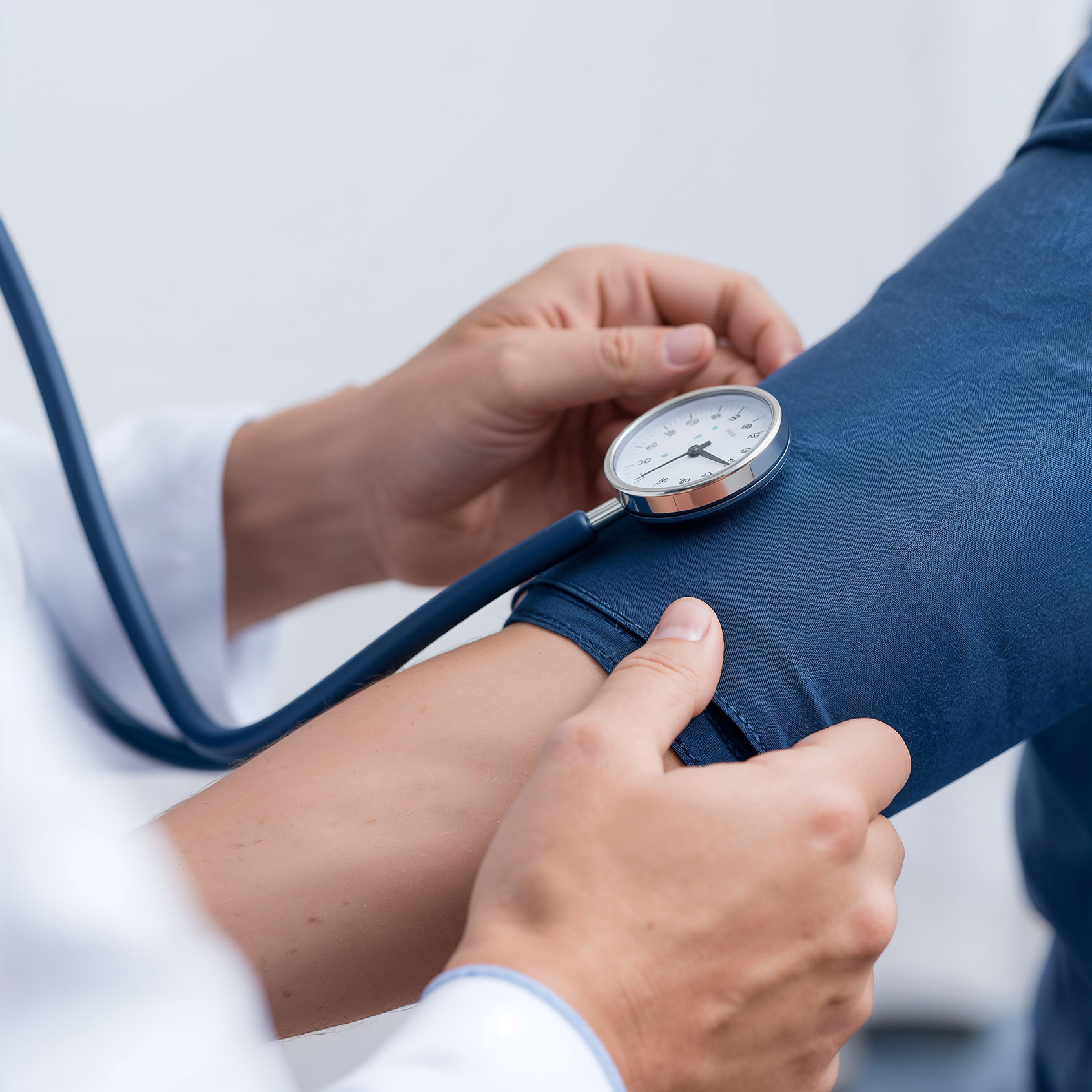
Your immigration physical is more than a basic checkup; it’s a federally mandated screening designed to ensure public safety. During your visit, Dr. Busse will perform a full exam, which typically includes:
- Vital signs: blood pressure, heart rate, temperature, and oxygen levels
- Height, weight, and BMI: documented to assess general health status
- Medical history review: with emphasis on chronic conditions and current treatment
- Vaccination status: verified and updated to meet USCIS requirements
- Communicable disease testing: including tuberculosis (TB), syphilis, and gonorrhea
If you are taking medication, have been diagnosed with a long-term condition, or have received hospital care, it’s important to bring relevant documentation to your appointment. This helps avoid delays and ensures Form I-693 is filled out accurately the first time.
As part of our concierge-level service, Integra offers same-week appointments and on-site labs to streamline the process for every patient.
How Chronic Conditions Are Addressed During the Exam
Living with a chronic condition does not mean your immigration exam will be more difficult, but it does mean that careful documentation matters. At Integra Wellness, we take time to understand your medical background and ensure your I-693 reflects stable, well-managed health.
Here’s how some of the most common conditions are typically evaluated:
- Hypertension: If your blood pressure is under control with medication or lifestyle support, this is documented and not considered problematic.
- Type 2 Diabetes: Dr. Busse may review your most recent A1C levels and current treatment plan. A stable condition with documented care is usually noted as a Class B condition, reportable but admissible.
- Asthma or COPD: These are recorded, especially if they impact daily function or require inhalers. Mild to moderate respiratory issues typically do not affect eligibility.
- Mental health diagnoses: Patients receiving care for anxiety, depression, or trauma are encouraged to share treatment records. This allows Dr. Busse to verify that the condition is not associated with harmful behavior or hospitalization.
- Obesity and related metabolic conditions: BMI is calculated during the visit. If there are complications such as sleep apnea or insulin resistance, these may be addressed during the review.
- HIV or hepatitis: These are no longer automatic grounds for inadmissibility, but must be disclosed and appropriately evaluated based on CDC guidance.
Dr. Busse also screens for signs of active communicable diseases, which are considered Class A conditions and may require further testing or referral. For example, a positive TB test would lead to a chest X-ray and possible treatment verification before your I-693 can be sealed.
If your chronic condition is part of an ongoing care plan through primary care, this continuity can also be documented to show stability. Integra’s integrated services, including chronic disease management and mental health support, can assist with coordinated care if needed before or after your exam.
What Tests Are Mandatory for USCIS Exams?
Every immigration medical exam includes specific laboratory screenings required by the CDC and USCIS. These tests are designed to detect active infections that could pose a public health concern in the U.S.
At Integra Wellness, all required labs are completed on-site for your convenience. Dr. Busse will explain each part of the process during your visit, and you’ll receive follow-up instructions if any results need further documentation.
Here’s what’s may be needed (based on age and vaccination status):
- Tuberculosis (TB) Screening
All applicants aged 2 and older must be tested. Most patients receive an IGRA blood test, which does not require a return visit. If results are positive, a chest X-ray will be ordered to rule out active disease. If TB is active or untreated, a patient cannot be cleared until appropriate medical treatment is documented. - Syphilis Testing
Required for applicants aged 18 and older. A blood test is performed. If positive, you will be referred for treatment and retesting before clearance. - Gonorrhea Testing
Also required for applicants 18 and older. This is usually a urine-based screening, with quick turnaround. Positive results will be treated or documented per CDC guidance. - Vaccination Review and Updates
Based on age, medical history, and vaccine records, Dr. Busse will determine which immunizations are required. These may include (but not limited to) MMR, Tdap, varicella, influenza, hepatitis A/B, and COVID-19 vaccines. You can read more about what’s needed on our Immigration Medical Exam service page.
These screenings help protect both your health and the communities you’ll join. If any condition is found, we work with you to ensure treatment is completed and documentation is submitted properly, without delays or guesswork.
How Pediatric Exams Work for Children with Chronic Illnesses
Children undergoing immigration exams follow a slightly different protocol, but the standards for documentation and vaccination are just as important, especially if a child has a chronic condition such as asthma, developmental delays, ADHD, or seizure disorders.
For minors, Dr. Busse conducts a full physical exam with attention to:
- Growth and development benchmarks
- Vaccination status, including age-specific requirements based on CDC and USCIS guidelines
- Medical history provided by parents or guardians
- Screening for tuberculosis, which begins at age 2
- Behavioral or neurological conditions that may require additional notes or clearance from a specialist
Unlike adults, pediatric applicants are not screened for syphilis or gonorrhea unless there is a specific medical reason to do so. However, if your child has received specialty care, such as hospitalization or treatment for a long-term condition, we encourage families to bring all available documentation. This ensures the I-693 reflects the child’s health accurately and without unnecessary flags.
Integra’s bilingual staff helps guide Spanish-speaking families through every step. We also work closely with parents who may be managing multiple I-693 forms for family-based immigration cases, ensuring each child’s records are prepared properly and submitted together.
If your child is due for immunizations or if their history is incomplete, our clinic can update records on-site to meet all USCIS standards, keeping your immigration timeline on track.
Class A vs. Class B Conditions: What They Mean for Your Green Card
Not all medical conditions carry the same weight when it comes to immigration health screenings. That’s why Form I-693 uses a classification system based on potential impact to public health and safety.
At Integra, Dr. Paul Busse ensures each condition is documented appropriately according to CDC technical guidelines, giving your application the clarity and credibility it needs.
Here’s how the classification works:
Class A Conditions
These are considered grounds for inadmissibility and may prevent Form I-693 from being sealed unless additional steps are taken. Class A conditions typically include:
- Active tuberculosis (TB)
- Untreated syphilis or gonorrhea
- Infectious leprosy
- Certain physical or mental disorders are associated with harmful behavior
- Substance abuse that is current and clinically diagnosed
For any Class A condition, Dr. Busse will refer the applicant to the local health department for further evaluation or treatment. Once the condition has been addressed according to CDC standards and clearance is received, the form can be completed.
Class B Conditions
These are not disqualifying, but they must be recorded. Class B includes:
- Chronic illnesses like diabetes, hypertension, or asthma
- Mental health conditions that are stable and managed
- Obesity or other metabolic concerns
- Developmental delays or physical disabilities
A well-documented Class B condition indicates that the applicant is managing the issue and that it does not currently pose a threat to themselves or others. This is where Integra’s emphasis on comprehensive documentation makes a measurable difference.
Can a Family Member’s Health Affect Your Immigration Status?
Many applicants are surprised to learn that a dependent’s health condition can occasionally influence immigration outcomes, especially under the public charge rule. While Form I-693 focuses on the individual being examined, immigration officers are also permitted to consider the overall family burden when reviewing your application.
Here’s how it might come into play:
- If a spouse or child has a disability or chronic illness that requires full-time care, officers may evaluate whether the primary applicant will be able to work and support the household financially.
- If a dependent has a condition that requires frequent hospitalization or long-term care, it may trigger further review of insurance coverage and income status.
- If you’re sponsoring a relative who may rely on government support for ongoing medical issues, this can raise concerns under the public charge ground of inadmissibility.
At Integra Wellness, we help families proactively prepare for these questions by ensuring that each member’s I-693 is complete, accurate, and includes any supporting medical documents needed. In some cases, we may recommend a brief telehealth consult prior to the in-person exam, especially when dealing with complex care needs.
If you’re navigating care for a child with a developmental disorder, a parent with diabetes, or another family member with long-term health challenges, our bilingual care team can guide you through each step, with the clarity and confidentiality this process deserves.

How Integra Supports You If You Have a Chronic Condition
Navigating an immigration medical exam while managing a chronic health issue doesn’t have to be stressful. At Integra Wellness & Aesthetics, our approach is rooted in relationship-based care, bilingual communication, and unhurried visits that prioritize clarity over checkboxes.
Whether you’re dealing with long-standing diabetes, controlled hypertension, or a recent mental health diagnosis, Dr. Paul Busse takes the time to understand your condition, not just document it.
Here’s what sets our process apart:
- All exams are performed by Dr. Busse, a board-certified family physician and USCIS Civil Surgeon, not passed off to rotating providers.
- We offer bilingual care in English and Spanish, ensuring you can ask questions and understand every step of the process.
- On-site labs mean fewer visits and faster turnaround times.
- We review and integrate your medical records, including labs, prescriptions, and physician letters, to ensure your chronic condition is accurately reflected on Form I-693.
- Next-day availability and flexible scheduling help you stay on track, especially if you’re coordinating multiple I-693s for family members.
Our clinic was built on the belief that health care, especially during major life transitions, should be personal, precise, and deeply supportive. That’s why Integra continues to be a trusted immigration exam provider for patients across Jacksonville, St. Johns, Ponte Vedra, and beyond.
Ready for a Stress-Free Immigration Exam?
Whether you’re managing a chronic condition or simply want the process handled with accuracy and compassion, Integra Wellness & Aesthetics is here to help. Led by Dr. Paul Busse, our team provides bilingual, concierge-level service for immigration exams in Jacksonville, without the limitations of rushed, insurance-based clinics.
- Get everything done in one place:
- Civil Surgeon exam
- On-site labs
- Same-day or week availability
- Fast turnaround on sealed I-693 forms
- Support for chronic and complex conditions
Schedule your appointment today and take the next step toward your residency with confidence.
Book now
FAQs About Chronic Conditions & Immigration Medical Exams
Can I still be approved for a green card if I have a chronic illness?
Yes. Most chronic conditions, such as diabetes or hypertension, are documented as Class B and do not prevent approval when well-managed.
Do I need to bring medical records to my immigration exam?
Absolutely. Lab results, a medication list, or a note from your primary care provider can help Dr. Busse verify that your condition is stable.
What if I have more than one health issue?
Multiple conditions can be documented without penalty. The key is showing that each one is under medical supervision and not associated with public health concerns.
Will my mental health history affect my immigration status?
Only in cases involving recent hospitalization or harmful behavior. If you’re receiving care for anxiety, PTSD, or depression, bring documentation of your treatment plan.
Is obesity or high BMI a problem for immigration approval?
A high BMI alone is not disqualifying. However, if it’s linked to other unmanaged conditions (like sleep apnea or diabetes), it may require supporting documentation.
For more guidance, explore our Family Medicine or Mental Health Services pages to learn how our care model supports patients beyond the exam room.